
What can Biomass do for your Business—and is that Value worth the Investment?

If you are considering a new biomass heating system, one of the first questions you will probably ask is: How much does a Biomass boiler cost?
To be honest, I would actually suggest starting somewhere else.
The potentially more revealing question is:
What can a biomass boiler do for me?
Once you understand what biomass could do for your business, farm, greenhouse, institution or facility, you can decide which of those benefits actually have value to you. Then you can look at the cost of the project and decide whether it is worth the investment.
That may sound like a subtle difference, but after years of working with biomass heating projects, I have found this to be the quickest and most comprehensive approach to evaluating the potential of a biomass project.
For some people, a biomass boiler can be one of the best investments they make. For others, it may not be worth the time, effort or investment.
The answer depends on a number of variables which we will dig in to here:
What Can a Biomass Boiler Do for You?
Biomass heating can provide much more than an alternative source of heat.
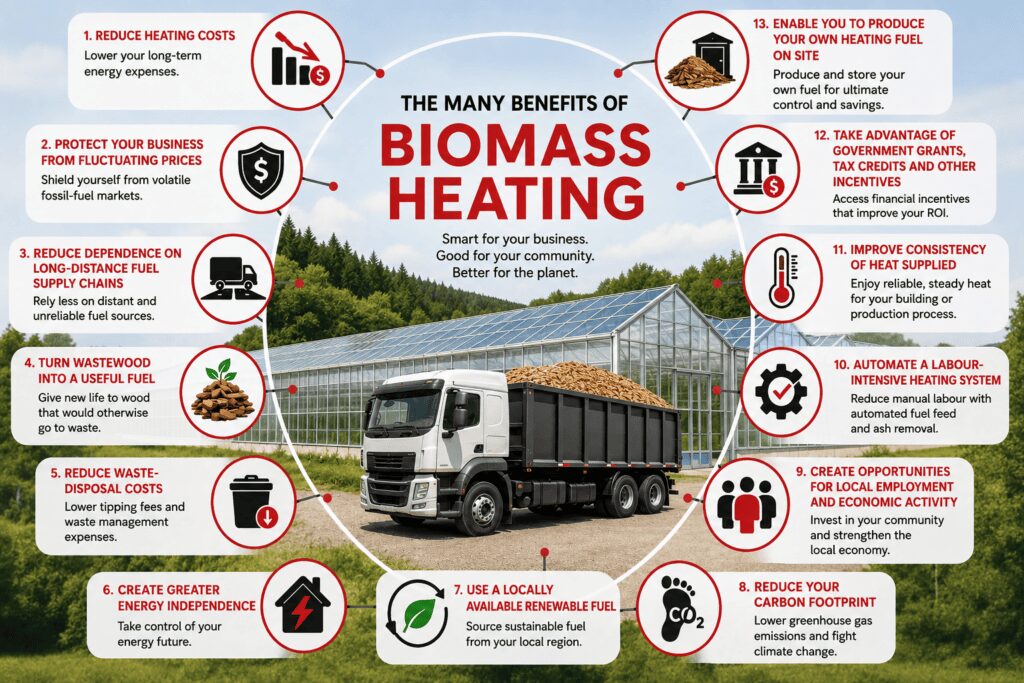
Depending on the application, a biomass boiler can help you:
- Reduce heating costs
- Protect your business from fluctuating fossil-fuel prices
- Reduce your dependence on long-distance fuel supply chains
- Turn wastewood into a useful fuel
- Reduce waste-disposal costs
- Create greater energy independence
- Use a locally available renewable fuel
- Reduce your carbon footprint
- Create opportunities for local employment and economic activity
- Automate a labour-intensive heating system
- Improve the consistency of heat supplied to a building or production process
- Take advantage of government grants, tax credits and other incentives
- Enable you to produce your own heating fuel on site.
Fuel Independence Can Be Worth More Than You Think.
One of the strongest motivations I have seen for biomass is fuel independence.
A good example came during COVID.
One of our greenhouse customers in Nova Scotia was heating with fuel oil. During the pandemic, there were serious concerns about fuel supply disruptions. For this particular business, it wasn’t simply a matter of paying a little more for fuel. A disruption in supply could have threatened the viability of the entire greenhouse operation.
Fuel security became a business-critical issue.
They began looking at alternatives and eventually chose biomass.
What happened next is what makes this story interesting.
The original motivation was fuel independence. But once they moved to biomass and significantly reduced their heating costs, they found they could invest more in their own in-house plant production.
That reduced their dependence on outside suppliers.
It also created opportunities to provide better local jobs for their workforce.
And because their heating fuel was renewable and had a very low net carbon impact, they were proud to make that part of their business story. It became something they could talk about with their customers.
What started as one reason to switch became a collection of benefits.
That is something I see repeatedly with biomass projects.
The value of the project isn’t always contained in the heating bill.
Sometimes the Biggest Benefit Isn’t the Fuel Savings.
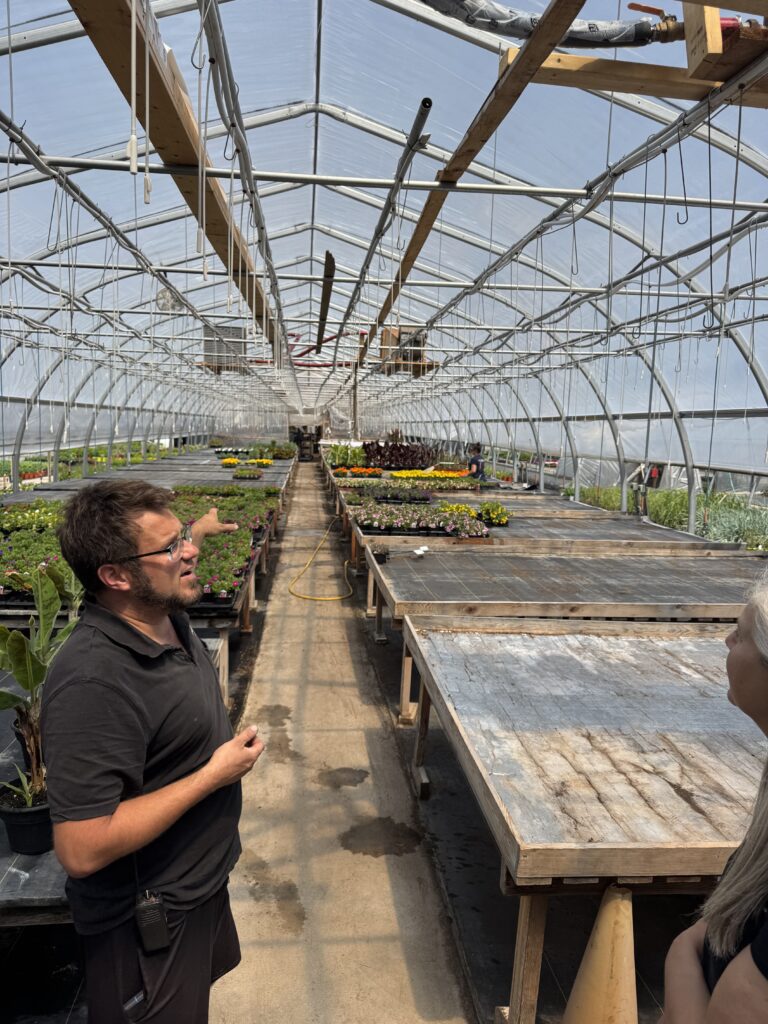
Consider another greenhouse customer.
Before switching to biomass, he was heating with cordwood boilers.
The fuel itself wasn’t necessarily the biggest problem.
The labour was.
Someone had to physically feed the boilers, including getting up every four hours during the night to keep the heat going.
Imagine running a greenhouse business and having to wake up multiple times every night throughout the heating season just to keep your boilers supplied with fuel.
The customer had another option: oil.
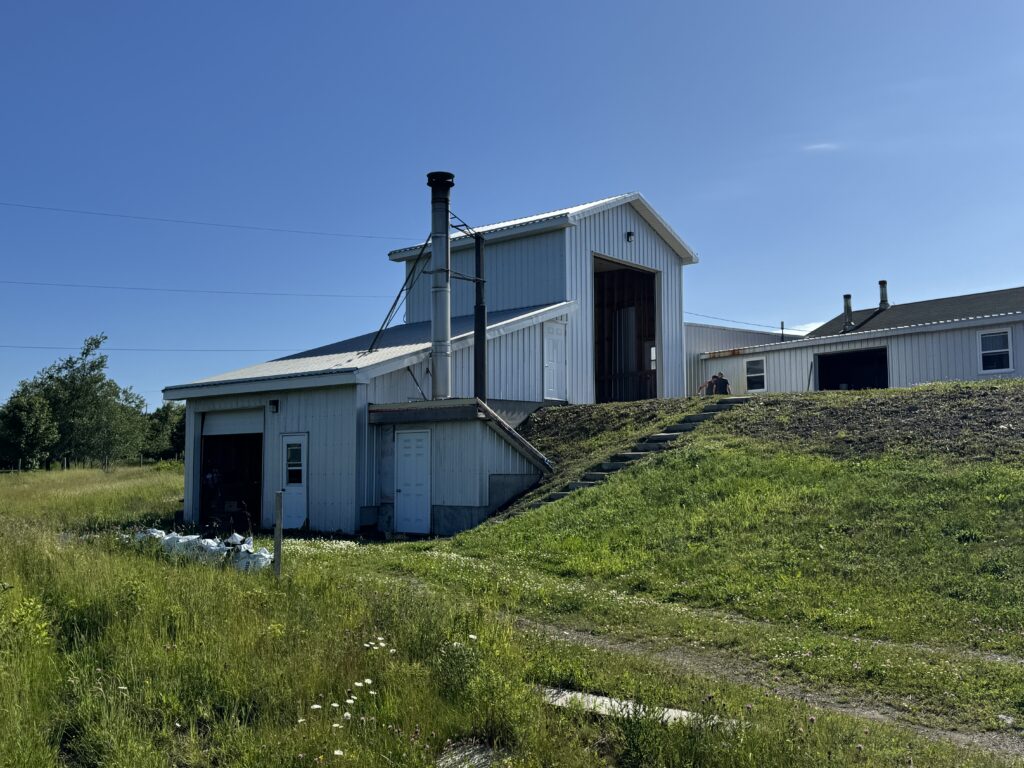
Instead, he chose an automated woodchip system and began purchasing woodchips from a local supplier.
Compared with oil, he is saving approximately $75,000 per year in heating costs.
But compared with his old cordwood system, his wood fuel costs are roughly the same.
So why was the biomass project worthwhile?
Because he eliminated a huge amount of labour.
He estimates that he saves approximately $32,000 per year in labour compared with the cordwood system.
And, perhaps just as importantly, he can sleep through the night.
There was another unexpected benefit.
The biomass boiler provided a more consistent source of heat, and the greenhouse operation saw approximately a 10% increase in yield.
The project, including the building constructed for the boiler room and fuel storage, had a payback period of approximately three years.
No government funding or incentives were required.
If you looked only at the cost of woodchips versus the cost of cordwood, you could easily conclude that there wasn’t much financial benefit.
But that would miss the point.
The real comparison was:
Cordwood + labour + interrupted sleep + less consistent heat
versus
Automated biomass + lower labour costs + better heat consistency + increased production.
That’s a very different calculation.
What About Turning Waste Into Energy?
Another particularly compelling application is when you have a waste material that can become your fuel.
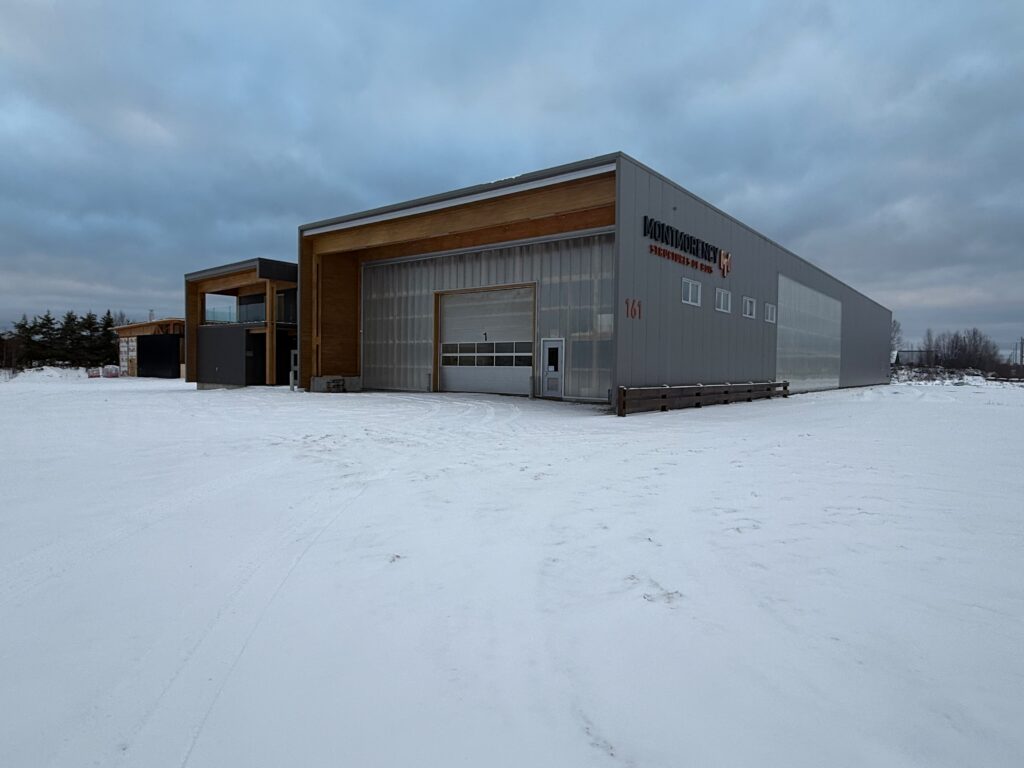
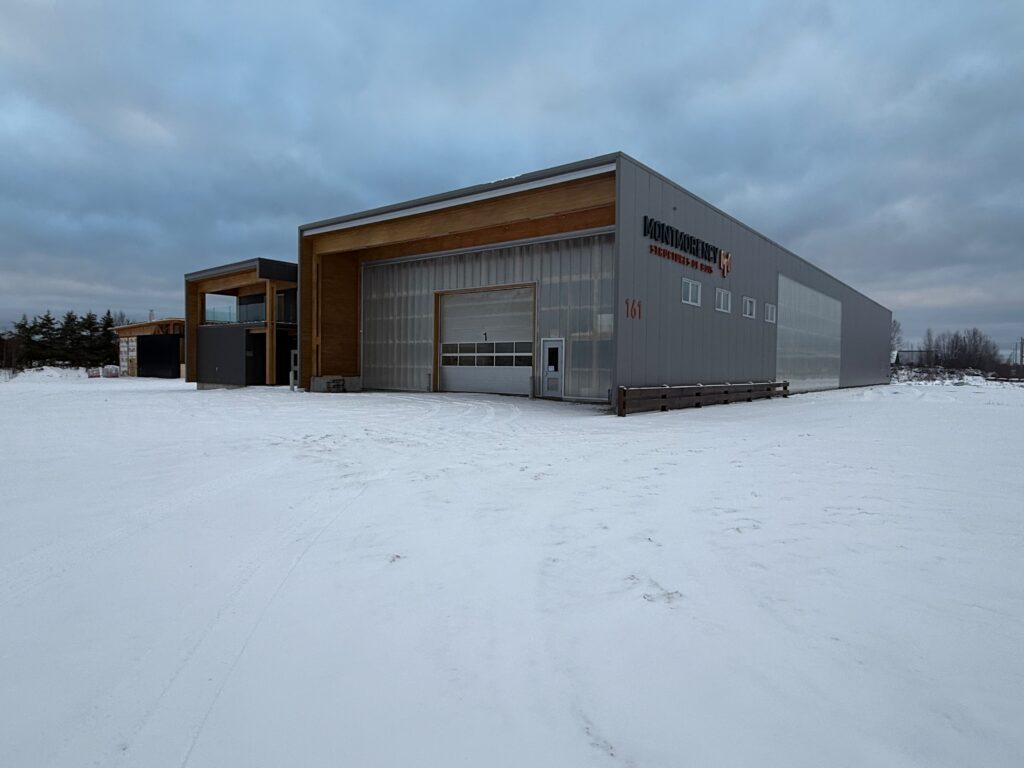
I have worked with a manufacturer of wood buildings that was originally heating its office and manufacturing buildings with natural gas.
The company was already generating wood offcuts and wastewood as part of its manufacturing process.
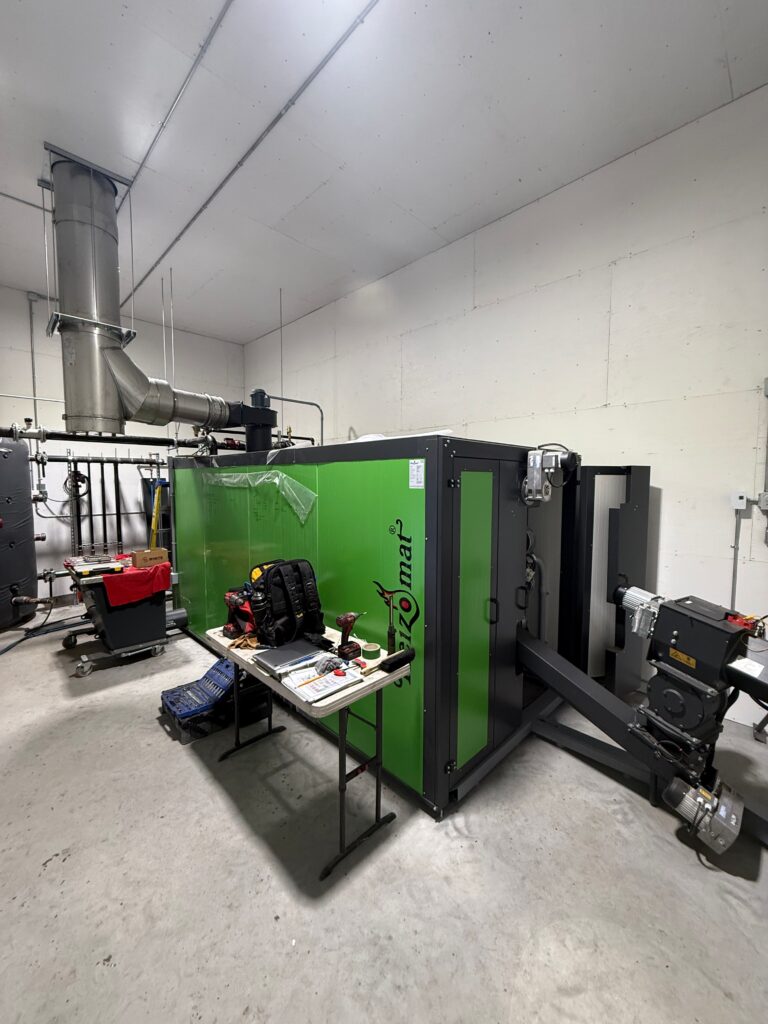
Instead of paying to dispose of that material, they installed a biomass boiler capable of heating up to 50,000 square feet and began using their own wastewood to produce their heating fuel.
The project received government grants, which reduced the initial investment.
Today, they are saving approximately $86,000 per year in heating costs.
They have also reduced the cost of disposing of their wastewood.
The project achieved a payback of approximately four years.
And the company estimates that it has reduced its carbon footprint by approximately 250 tonnes per year.
Again, this is why I think it is too simplistic to compare the cost of biomass fuel with the cost of natural gas.
The company isn’t simply buying a different fuel.
It is taking something that previously represented a disposal cost and turning it into an energy resource.
That changes the economics considerably.
Biomass Isn’t Automatically the Right Answer.
Having said all of this, I don’t believe biomass is the right choice for everyone.
There are situations where I would tell someone to think very carefully before moving forward.
For example:
How Much Heat Do You Need?
There is also a practical question that needs to be answered early in the process: How much heat do you actually need?
As a general rule, we typically recommend looking at biomass for applications with a heat demand of at least 200,000 BTU/hour (60 kW) or around 6,000 square feet of heated space.
Below that level, the payback period can become quite long.
That doesn’t mean a smaller project can’t make sense. It simply means you generally need stronger motivations beyond fuel savings to justify the investment.
Those motivations might include:
- Energy independence
- Availability of free or very inexpensive biomass
- Eliminating a labour-intensive heating system
- Using waste material that would otherwise have to be disposed of
- A strong desire to reduce fossil-fuel use
- Available grants or incentives
- A need for a more resilient heating system
Your Biomass Fuel Matters.
The next question is: What biomass fuel are you going to use?
Biomass isn’t one fuel.
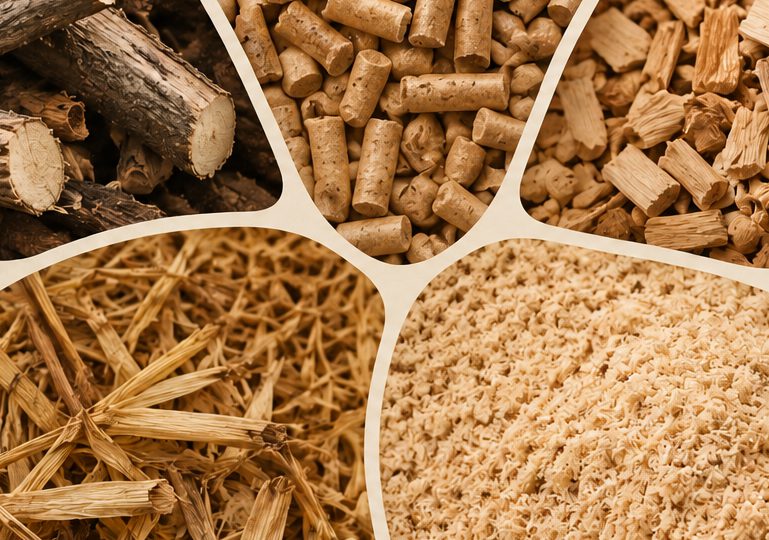
You could be working with woodchips, pellets, sawdust, shavings, ground construction waste, pallet waste, miscanthus, straw, seed hulls, nut shells and other agricultural or industrial biomass.
The important thing is that the fuel has to match the boiler.
Woodchips are a particularly good example.
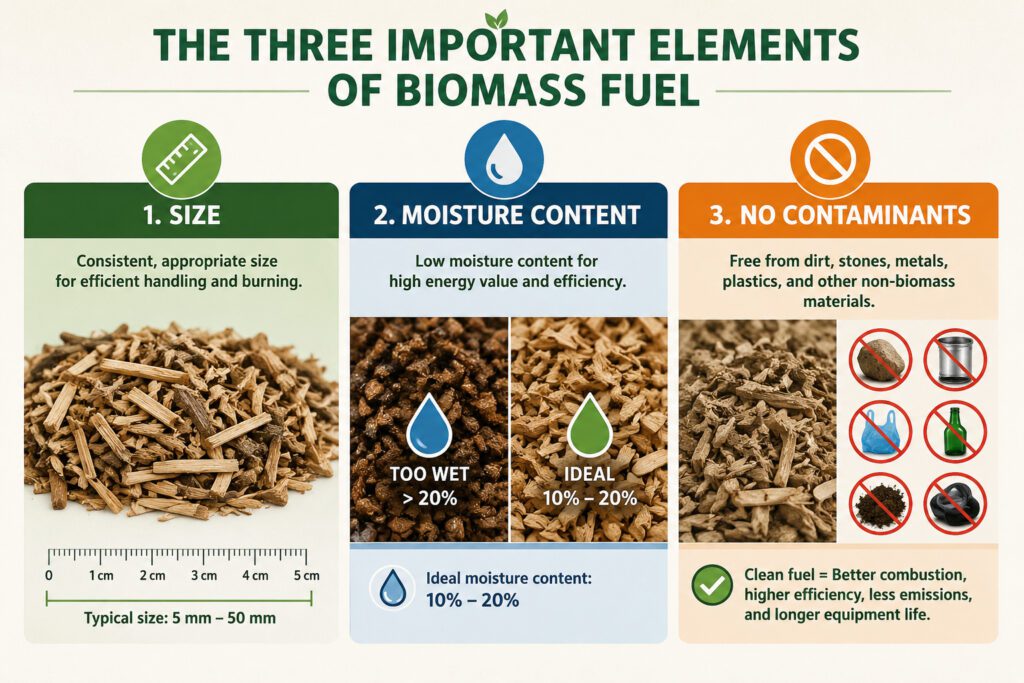
Some biomass boilers can handle a relatively broad range of chip sizes and moisture contents. Others require much more consistent, carefully screened fuel.
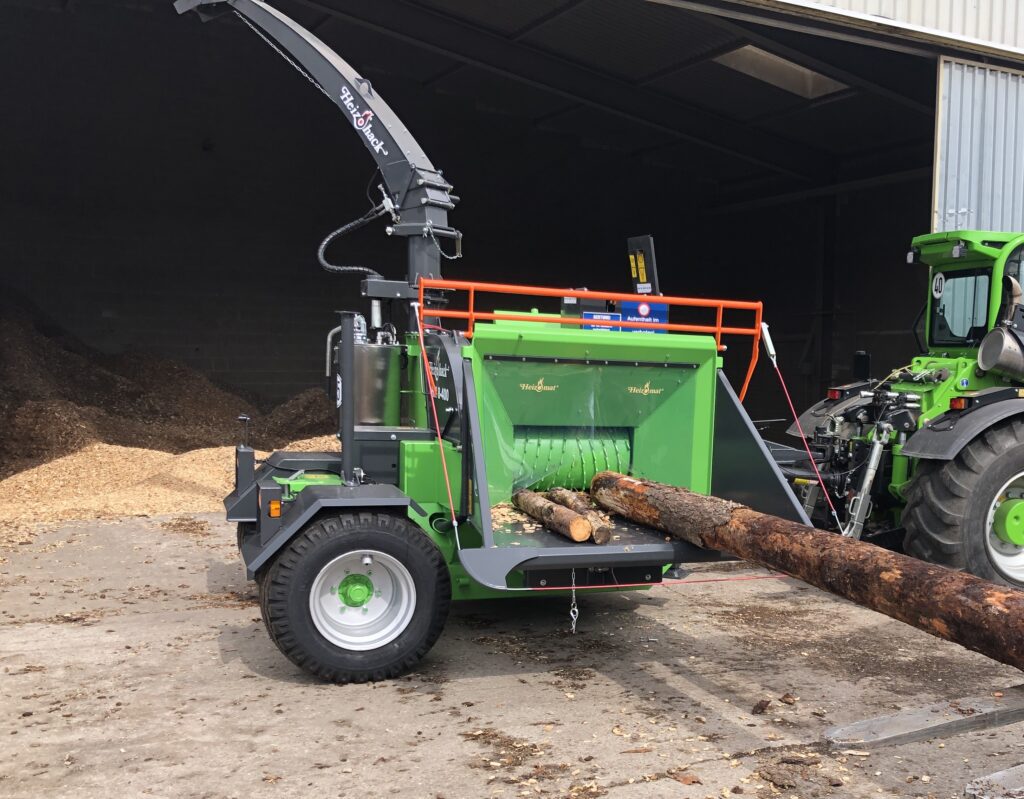
If you plan to produce your own chips, the chipper becomes an important part of the project.
You need to consider the material going into the chipper, its throughput, the size of chip it produces, whether it has a screen and how robust it is.
The right equipment can make producing biomass fuel relatively quick and straightforward.
The wrong equipment can create a fuel-quality problem that follows you all the way to the boiler.
I recommend discussing your fuel plan with your boiler supplier to ensure you have a good fit.
Fuel Handling and Storage Should Be Planned Up Front.
A great biomass project is dependent on its fuel supply.
Before choosing a boiler, you should have a clear understanding of where your fuel will come from, how much fuel you will need, what quality it will be, how consistently it will be available, how it will be delivered, where it will be stored, and whether you need seasonal or short-term storage.
The goal isn’t simply to find the cheapest biomass fuel.
You need to find a reliable fuel that works with your heating system and your operation.
The Boiler You Choose Matters.
Not all biomass boilers are created equal.
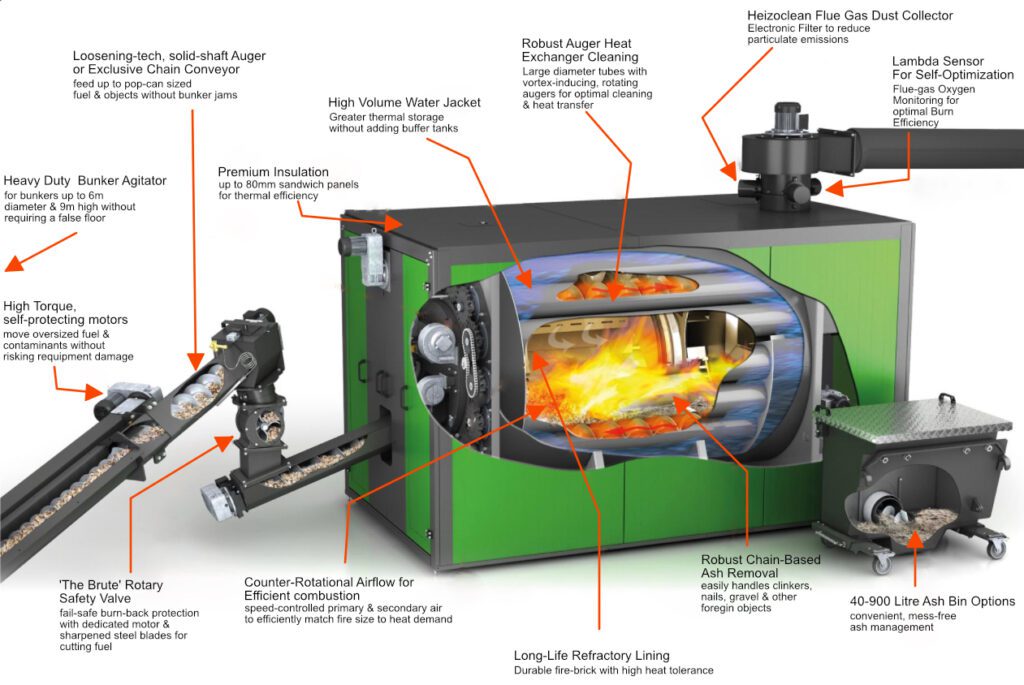
There is a significant difference between a low-cost biomass heating system and a high-quality automated biomass boiler designed for long-term commercial or industrial operation.
A lower-cost system may have a lower initial investment, but it can also mean more manual work, more maintenance, greater sensitivity to fuel quality, shorter equipment life and less flexibility in the fuel you can burn.
At the higher end of the market, you are generally paying for better engineering, more automation, greater fuel flexibility and longer equipment life.
A high-quality boiler can have a service life of 30 years or more, with maintenance requirements that can be much closer to what you would expect from a conventional heating system.
Again, we come back to what is important to you. Knowing what you are getting for your purchase and the experience you can expect to have makes the evaluation of the investment more relevant.
Don’t Forget the Incentives.
Government grants, tax credits and other incentives can have a significant effect on the economics of a biomass project.
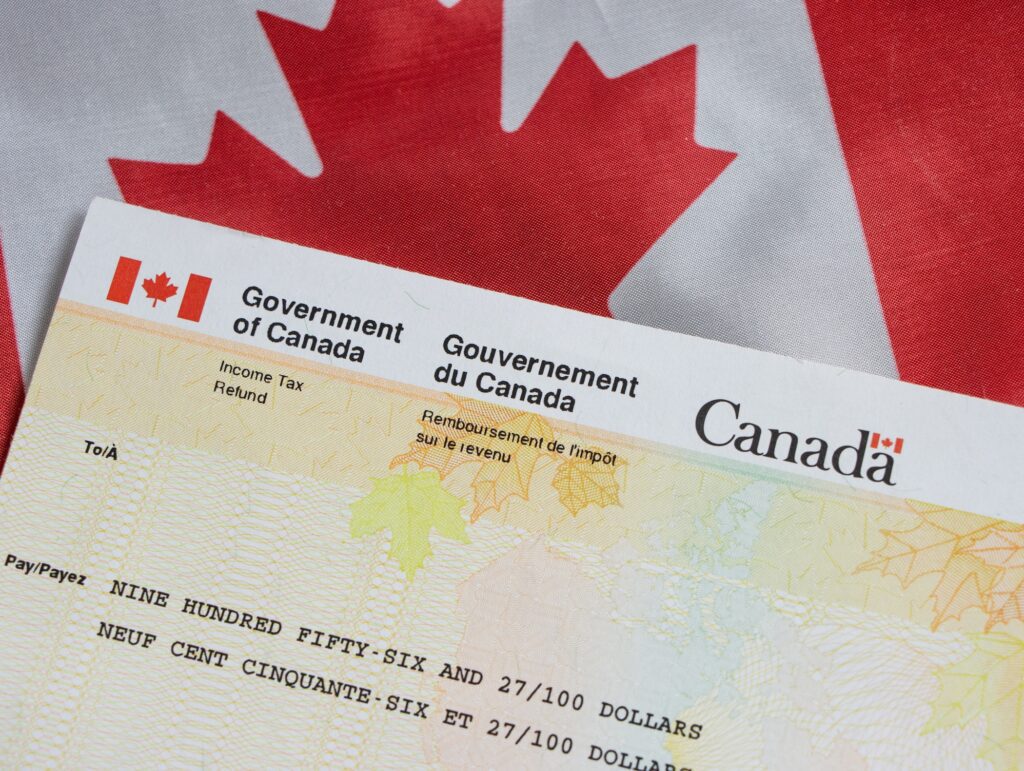
Your project ROI may change significantly once available incentives are included. One incentive that is available to businesses across Canada is the 30% Federal Tax Credits for Clean Energy.
There may be other provincial and territorial programs available. The downside of some of these programs are the time it takes for applications to be written, reviewed, approved and paid out. In some cases, they can be very helpful and other times they are simply not easily accessible enough. Having said that, taking the time to find out what is out there can be an important part of the evaluation process.
So, Are Biomass Boilers Worth It?
My answer is yes—if you are considering changing your heating system, it is absolutely worth looking at biomass.
That doesn’t mean I believe everyone should buy a biomass boiler.
It means that the potential benefits are significant enough that I wouldn’t make a major heating decision without at least understanding what biomass could do for the particular application.
My first conversation with a potential customer is usually very simple.
I want to understand their motivations.
Then I want to understand their heating requirements.
From there, we can talk about the available options and what a biomass system could look like for their particular application.
That initial conversation can take as little as 10 minutes.
You don’t need a detailed engineering study to start asking the right questions.
You just need to find out whether biomass has something valuable to offer you.
Start With What Biomass Can Do, Not What It Costs.
Changing a heating system is not something most businesses do every year.
In many cases, you are making a decision that could affect your operation for the next 10 to 15 years or more.
So I think it makes sense to take the time to properly evaluate all of your options.
Natural gas may be the right answer.
Propane may be the right answer.
Electricity, geothermal or another technology may be the right answer.
But biomass can potentially do much more than simply replace one fuel with another.
It can give you fuel independence.
It can turn waste into energy.
It can reduce operating costs.
It can reduce labour.
It can support local jobs.
It can improve production.
It can reduce your exposure to fossil-fuel price fluctuations.
And it can help you move toward a cleaner, renewable source of energy.
Natural Resources Canada reports that space heating accounts for the largest share of energy use in Canada’s commercial and institutional sector—about 55 percent. This makes the choice of heating system a particularly important operating decision.
When such a significant operating expense is being made, there is real value in asking whether your next heating system could do more for your business than simply keep the building warm.
My suggestion is: Don’t start with, “How much does a biomass boiler cost?”
Start with:
“What could biomass do for me?”
Then decide which of those benefits have value to you.
Then look at the cost.
And finally, decide if it is worth it.