

If you’ve been researching renewable heating, you’ve probably come across both woodchip boilers and biomass boilers. At first glance, they sound like two completely different technologies.
Technically the truth is much simpler, because: a woodchip boiler is a type of biomass boiler.
Biomass basically refers to any living or recently living organic material (as opposed to fossil fuels). Which means that boilers that that burn cordwood, woodchips, pellets or agricultural waste are all technically biomass boilers.
Often what people are really looking for when they are looking for a biomass boiler is a true biomass boiler that can efficiently and cleanly burn a wide range of fuels including woodchips, sawdust, shavings, pellets and agricultural biproducts. They are not looking for the smoky cordwood boilers of old.
Today’s best biomass boilers are far more comparable to modern oil, propane, or natural gas boilers than they are to the wood-burning systems many people imagine. They are automated, highly efficient, clean burning, and designed to operate with very little manual intervention.
Understanding the difference starts with understanding what a biomass boiler really is.
What Is a Biomass Boiler?
Technically speaking, a biomass boiler is any boiler that burns organic material to produce hot water for heating.
That broad definition includes everything from traditional wood stoves, corn burners, straw bale and cordwood boilers to pellet boilers, woodchip boilers, and systems designed to burn agricultural products.
For practical purposes, however, we think a better definition is this:
A modern biomass boiler is a high-efficiency, automated heating system that burns clean, dry organic fuel to produce heat reliably, efficiently, and with very low emissions.
Depending on the boiler design, biomass fuels may include:
- Cord wood
- Wood pellets
- Woodchips
- Sawdust
- Wood shavings
- Bark
- Miscanthus and other high-energy field crops
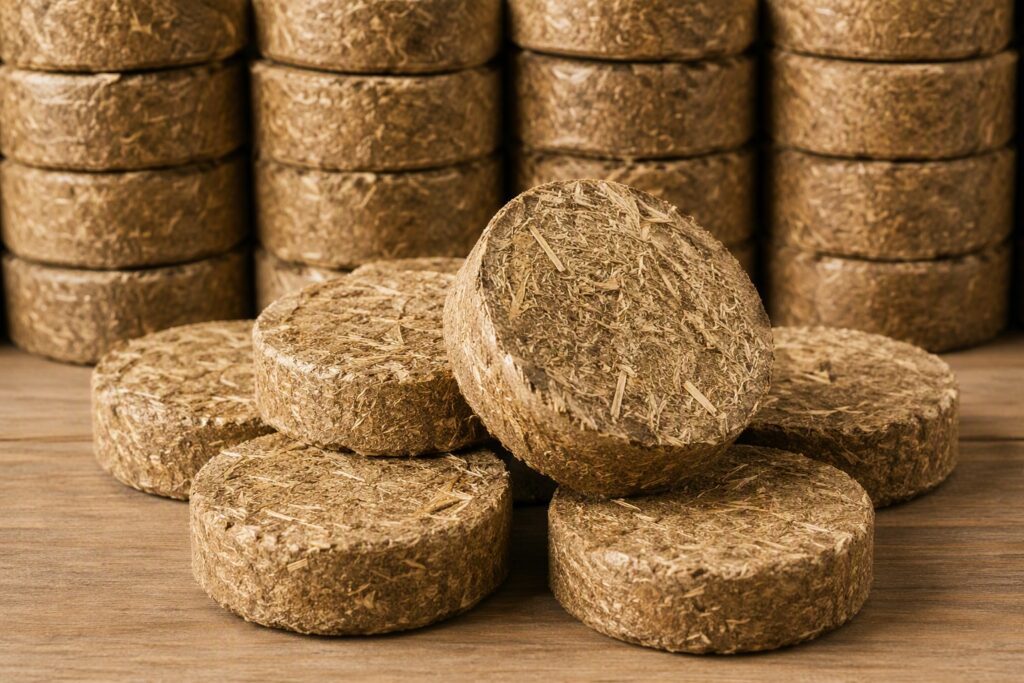
- Densified agricultural biproducts such as straw briquettes or pucked straw
The important point is that not every biomass boiler can burn every biomass fuel.
Pellets & Cord Wood – The Trade-off
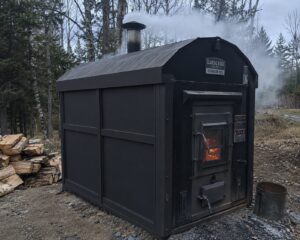
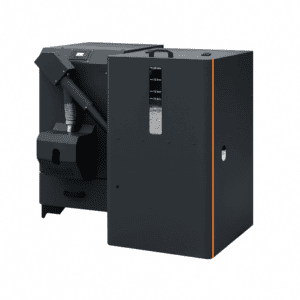
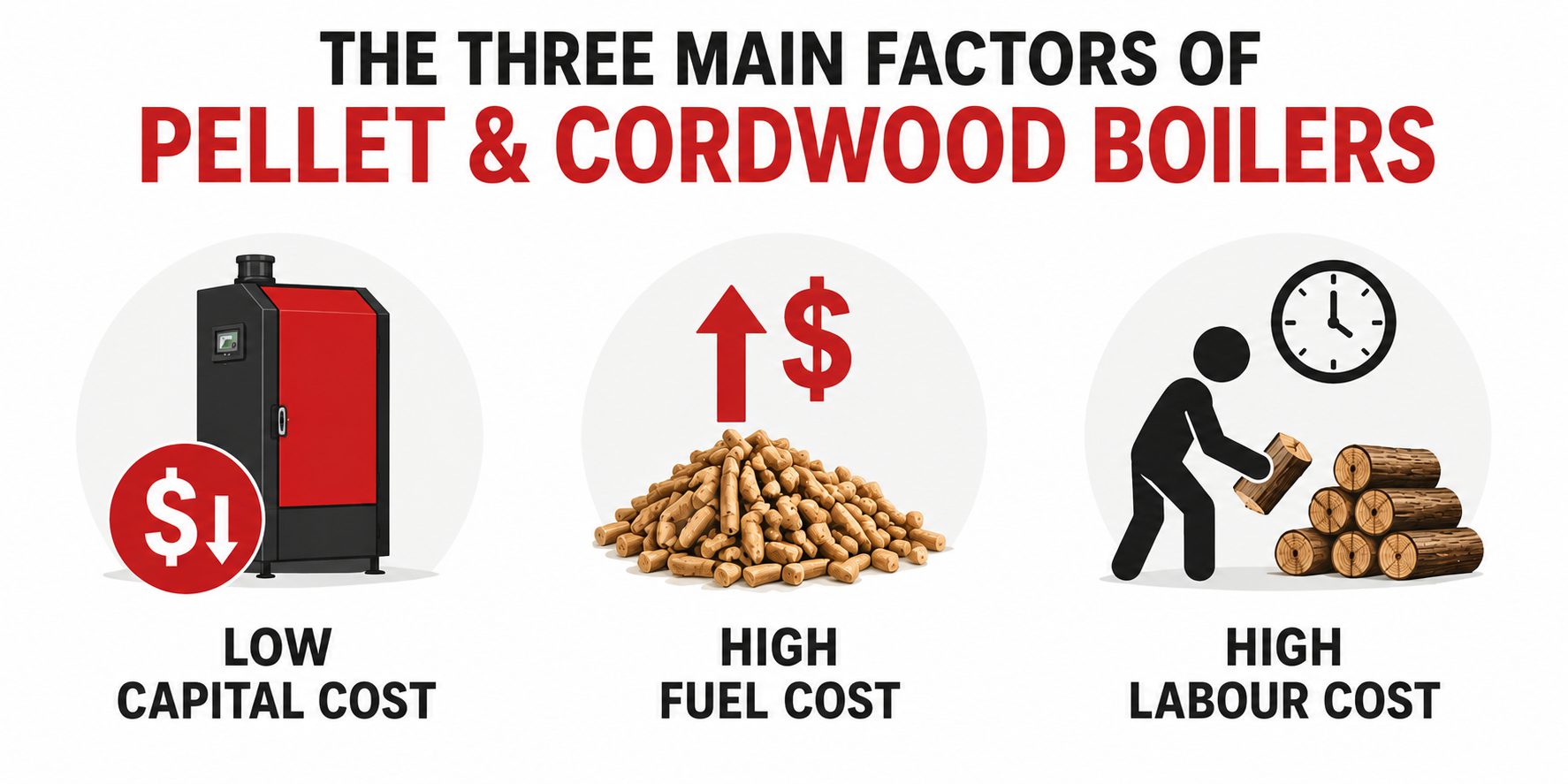
Let’s begin with pellets and cordwood. Two very different boilers but they do have a couple things in common. A pellet boiler is fully automated. You purchase highly compressed pellets made of finely ground wood material, load them into a hopper and your pellet boiler does the rest. Much like a propane boiler, it pulls in it’s fuel and heats. A cordwood boiler burns wood in log format. It is an outdoor boiler that you load manually up to 3 times per day in winter.
What do these two very different boiler systems have in common? They are a simpler technology and that means a lower up front capital cost. The fuel is more expensive than some other biomass materials. Pellets are more expensive because they are highly processed and because you are purchasing them on the market which can lead to price volatility. Log wood is more expensive if you count the labour cost of cutting, stacking and loading the fuel in to the boiler.
What Is a Woodchip Boiler?
A woodchip boiler is simply a biomass boiler specifically designed to burn woodchips.
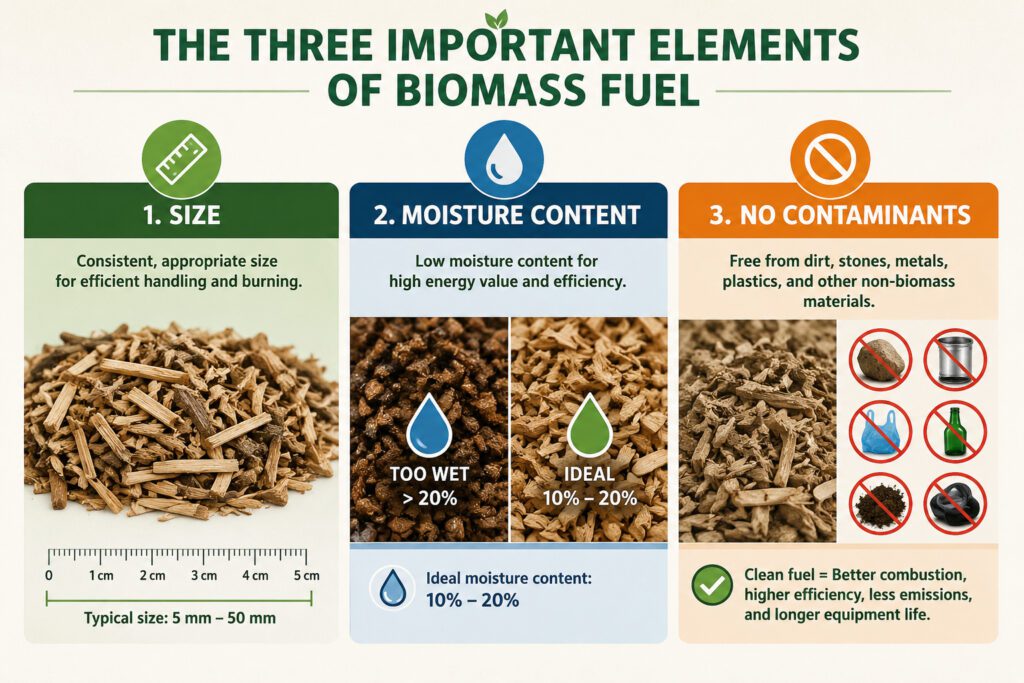
Because woodchips are inexpensive and often locally available, they’re one of the most economical heating fuels available for larger buildings. Many businesses can even produce their own fuel from waste wood generated on-site or purchase chips from nearby suppliers. Compared to pellets, woodchips generally require a more sophisticated boiler because the fuel naturally varies in:
- Chip size
- Moisture content
- Dust and fine particles
- Bulk density
- Ash characteristics
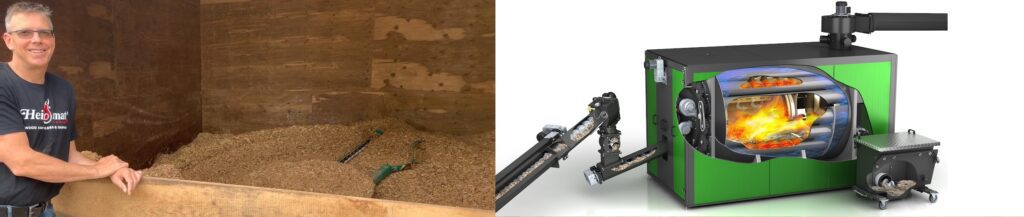
A high-quality woodchip boiler is engineered to handle these variations without constant operator intervention.
What Is a True Biomass Boiler?
A true Biomass Boiler is one that can burn the widest range of fuels. It has highly advanced technology and a truly robust design to be able to automate heating with a variety of biomass fuels.
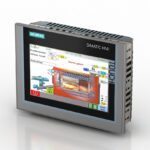
These boilers have customizable fuel settings that allow you to tune their performance from fuel feeding to Primary and Secondary air supply and Ash Removal. The result is a highly efficient and clean burn whether you are feeding pellets, woodchips, miscanthus or agricultural biproducts.
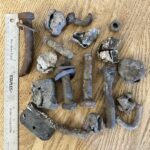
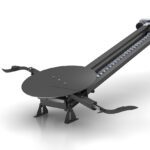
In addition, their augers and feed systems are built to handle complicated fuels like woodchips which don’t like to flow and have the tendency to jam. Innovative auger designs ensure chips can freely move through the auger channels. Robust build and responsive technology is a must for these boilers. Oversized fuel and foreign materials happen from time to time and a true Biomass Boiler is built to handle this.

Miscanthus
Siemens Controls
Foreign Materials
Robust Feed System
Heizomat’s Chain Discharger
A Journey from Woodchip to True Biomass Boilers
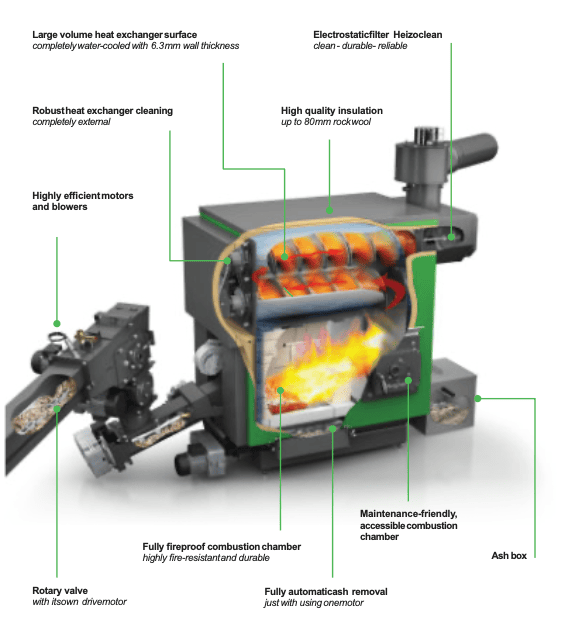
The HSK-RA Woodchip Boiler with Ash Paddle and Grate
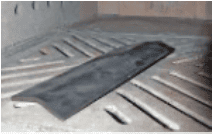
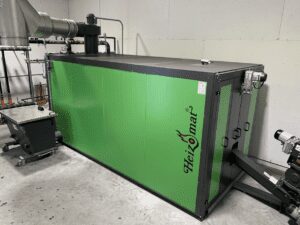
Let’s take Heizomat’s journey from woodchip to true biomass boilers as an example. The first boilers built by Heizomat were designed specifically for woodchips, sawdust and shavings.
Robust augers with a special jam-free design pull chips into the boiler fire chamber. This chamber has a fixed grate with a rotating paddle for removing the ash. The air comes from both above and below the grate into the pile of woodchips to ensure an efficient burn. As the chips burn, the paddle rotates slowly below the fire bed scraping ash through the grate into the ash auger below. Turning slowly the ash auger pulls the cooled ash out into the waiting ash bin.
The RHK-AK Biomass Boiler with Ash Chain
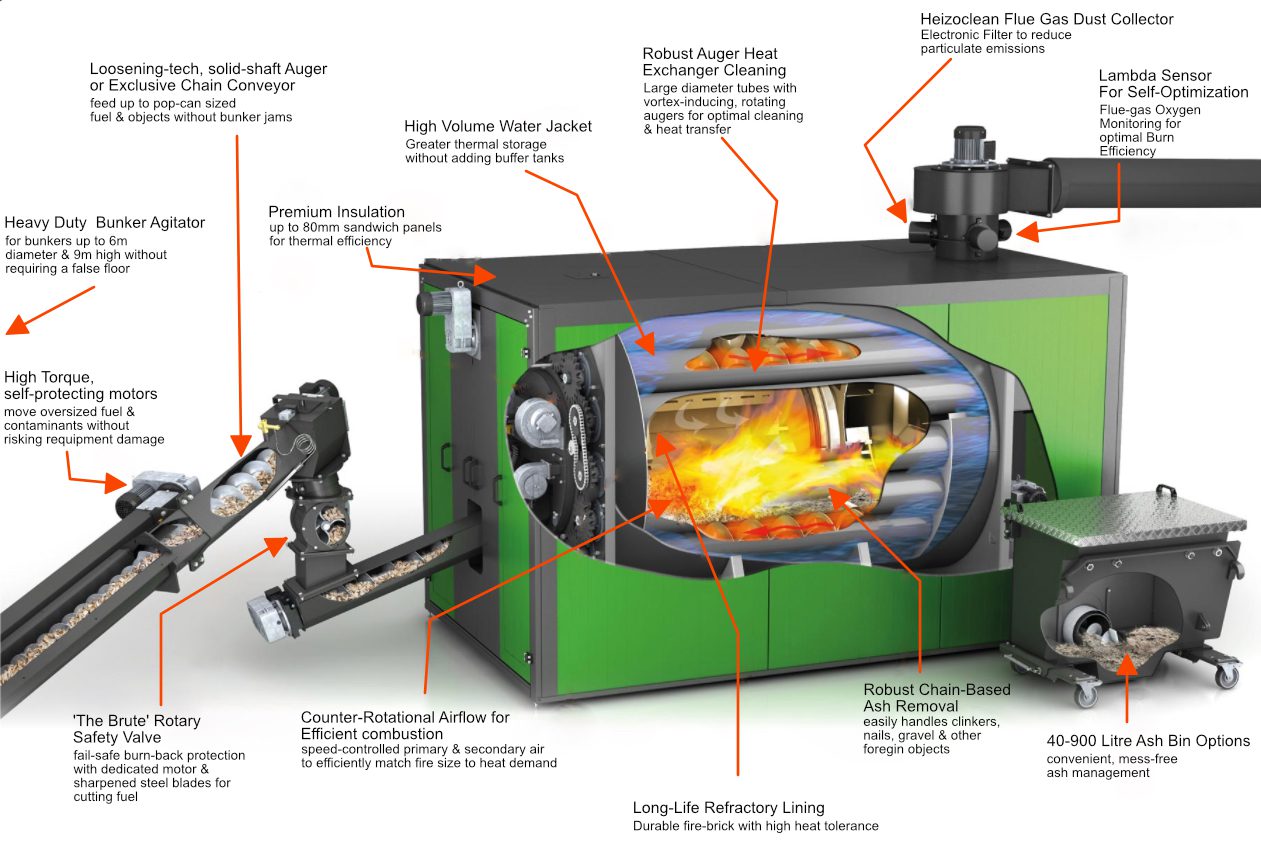
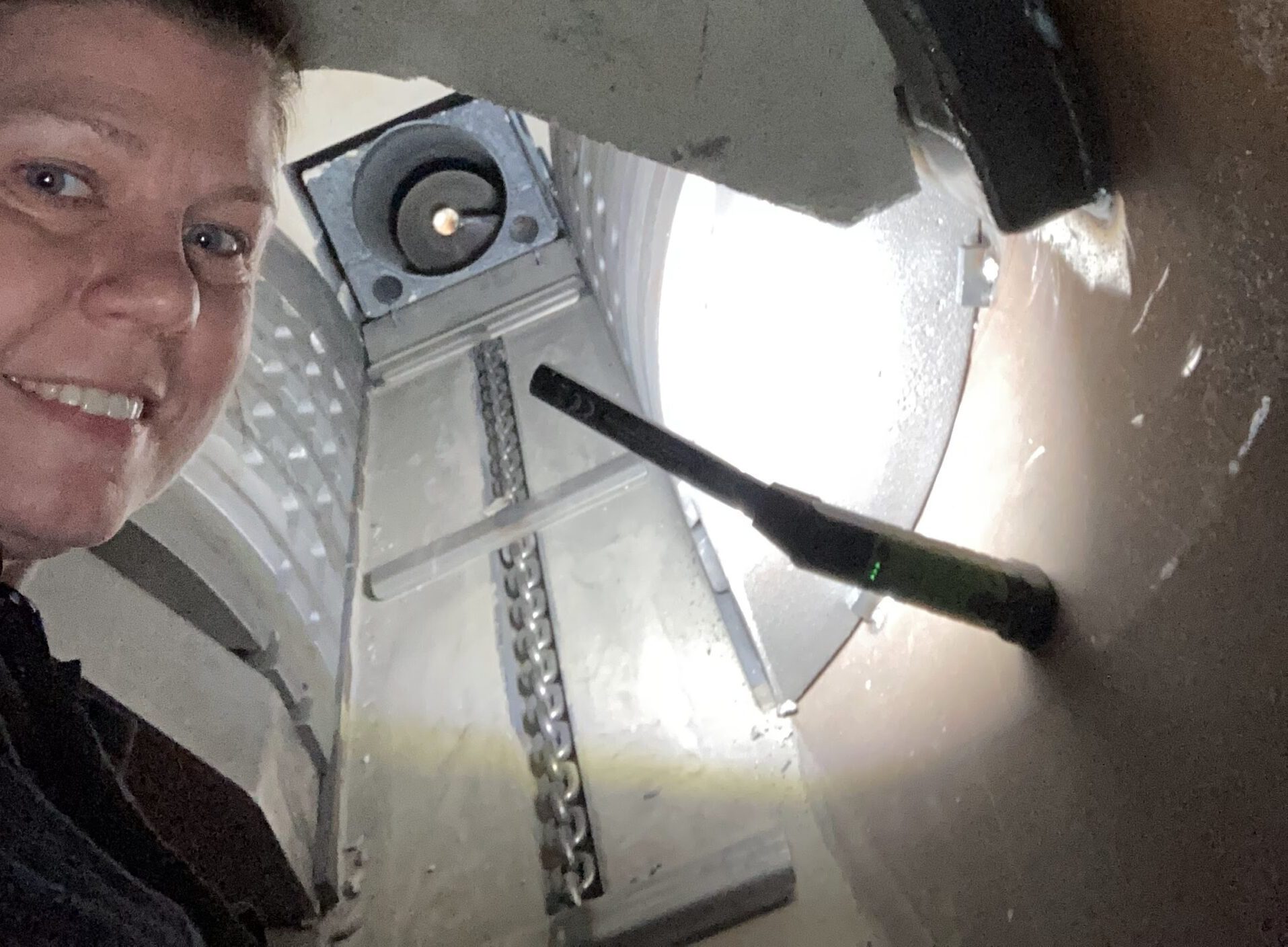
When customers began burning more complex fuels such as bark, chips with foreign materials such as nails or agricultural biproducts such as seed hulls and straws, this caused challenges, particularly with the ash system and so Heizomat went back to the drawing board.
Some types of biomass and contaminants form ash clumps when they burn and these along with other contaminants like nails or gravel didn’t fit through the ash grate and clogged up the firebox. Heizomat decided to completely redesign their boiler system around an ash chain and paddle system designed to handle all types of biomass and contaminants. In this new design the entire fire bed is pulled longitudinally through the fire chamber toward the back of the boiler where the ash, any molten clumps and contaminants like nails & gravel are deposited into the ash auger then into the ash bin.
These RHK-AK models are an example of true biomass boilers. They can fully automate biomass heating from pellets to woodchips to ground up waste wood materials containing nails and clinker forming fuels like bark and agricultural biproducts.
The Name Isn’t the Important Part—The Engineering Is
Many manufacturers advertise their systems as biomass boilers.
That description alone tells you very little.
The more important question is:
Can the boiler reliably burn the fuel you intend to use?
This is especially important if you plan to burn anything more challenging than premium wood pellets.
The more variable your fuel becomes, the more robust the boiler needs to be.
When evaluating a biomass boiler, look for features such as:
- Customizable fuel settings that allow combustion to be tuned for different fuels
- Heavy-duty fuel feed systems capable of handling inconsistent material
- Ash removal systems that can cope with clinkers (hard fused ash) and nails
- Automated heat exchanger cleaning
- Proven experience burning fuels similar to yours
- Real customer references using the same type of fuel
These features often make the difference between a boiler that operates reliably for years and one that requires constant attention.
At the same time, be upfront with your boiler supplier about the fuel you plan to burn and make sure they are confident their system can handle it. Not all biomass materials can be considered fuel.
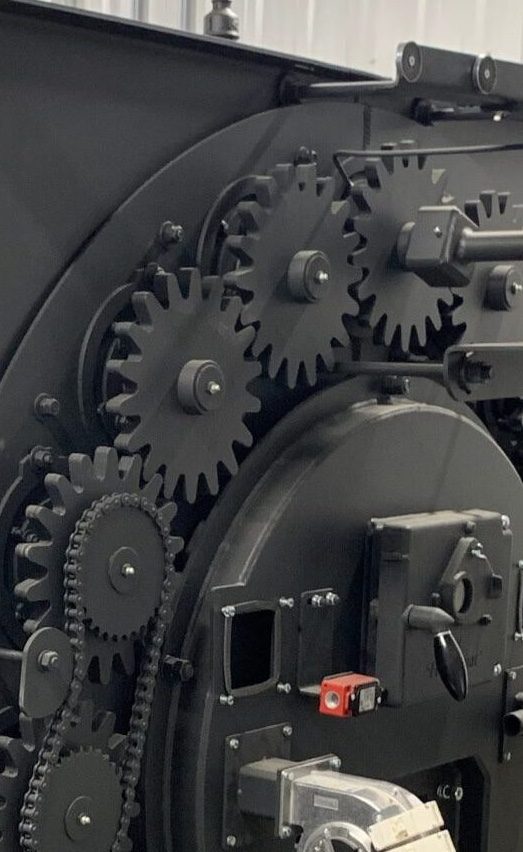
Case Study: “Waste Wood” Wasn’t Ready to Burn
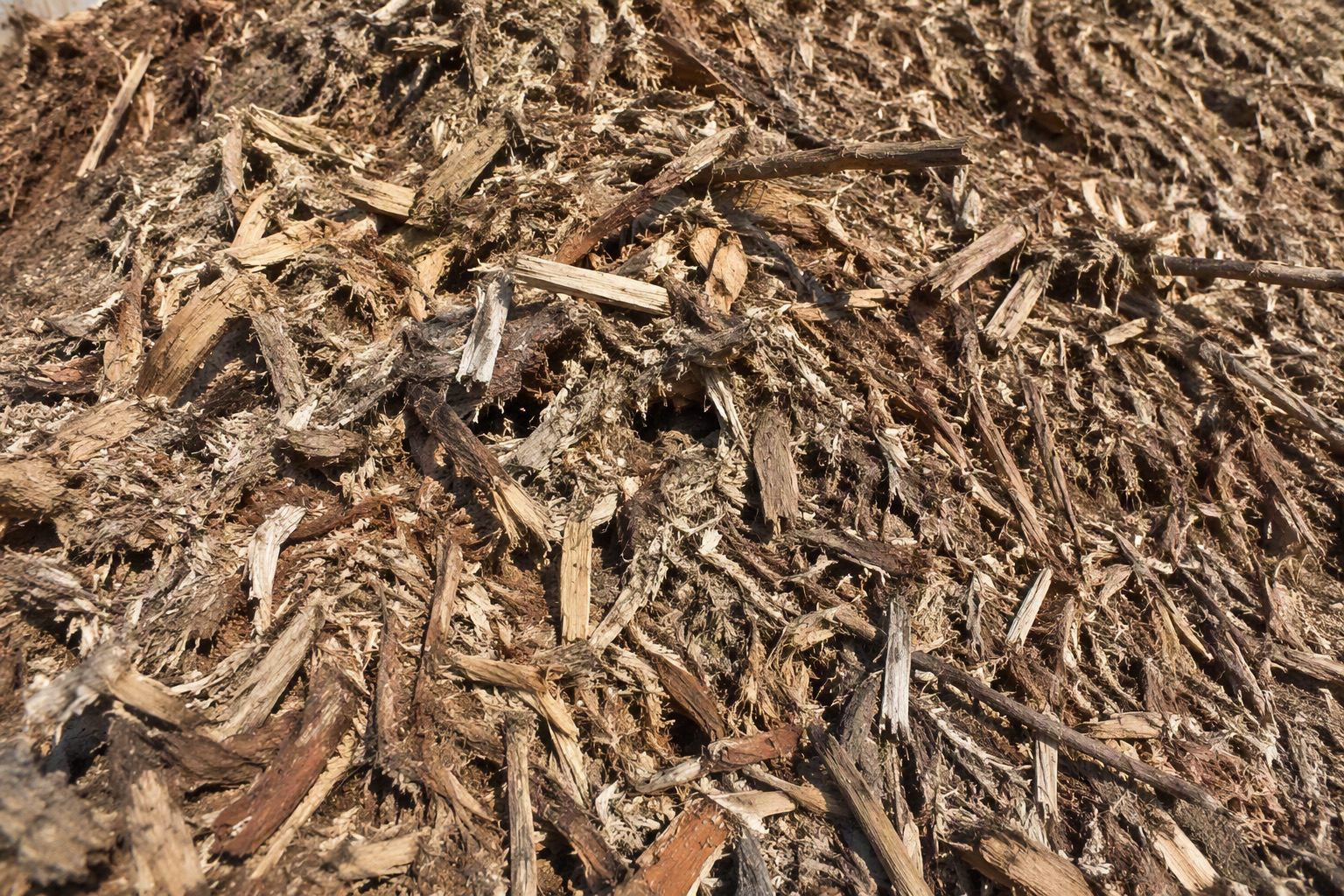
One poultry farm customer contacted us with issues burning their waste wood material processed through a large commercial grinder.
Unfortunately, the fuel wasn’t really suitable for automatic combustion.
It contained:
- Larger Stones and pieces of metal
- Excessive dust and fine particles from powderized, decomposed wood
- Some wood pieces over 12 inches long and more than an inch thick
Although the fuel looked like woodchips, it wasn’t produced to biomass fuel standards.
One option provided to the customer was an upgraded industrial quality feed system 10” in diameter. This XL sized feed system would better handle the complex fuel they wanted to burn. In they end they went with the more economical option which was to improve the quality of their fuel supply.
The waste wood supplier began removing contaminants, and degraded wood from their supply and installed screening to produce chips under approximately two inches in length.
Improving the fuel quality solved several problems at once:
- More reliable fuel feeding
- Fewer blockages
- Better combustion
- Less clinker formation
- Reduced wear on the ash handling system
The customer made relatively small improvements to their fuel preparation, and the boiler has operated smoothly ever since.
The lesson?
Fuel quality makes a big difference and some fuel is too far out of spec even for the most robust of biomass boilers.
Case Study: A “Biomass Boiler” Not Built for Biomass
We also worked with a greenhouse operator who had purchased a boiler marketed as a biomass woodchip boiler.
The fuel wasn’t the problem.
He was burning premium screened woodchips specifically produced for automated biomass systems.
The challenge was the boiler itself.
Its feed system wasn’t robust enough to handle woodchips reliably, leading to repeated jams and breakdowns. It also lacked the safety and control features needed to manage fuel feeding properly.
Replacing the entire system wasn’t financially realistic.
Instead, the customer installed a Heizomat fuel feed and auger system while keeping the original boiler.
The result was a significant improvement in fuel handling reliability, although the boiler itself continued to experience problems unrelated to the feed system.
The customer is now planning to replace the complete boiler when finances allow.
This experience reinforced an important lesson:
Calling a boiler a “biomass boiler” doesn’t guarantee it is engineered to handle all biomass reliably.
Which Type of Biomass Boiler Should You Choose?
Pellets
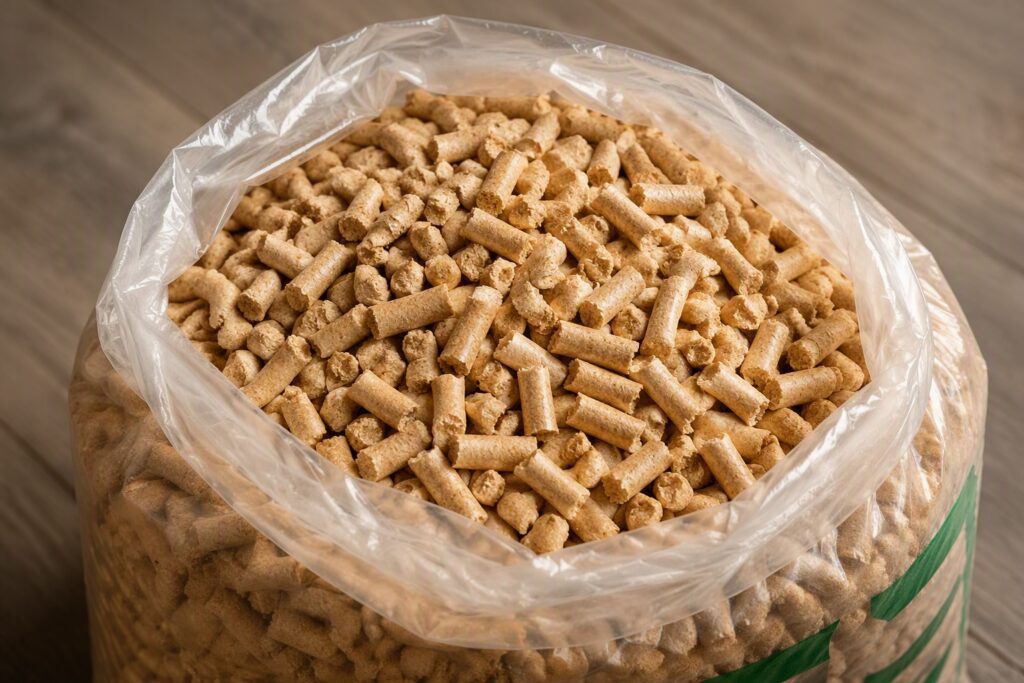
Pellets are the easiest biomass fuel to burn consistently though the trade-off is fuel cost. Pellets are usually the most expensive biomass fuel and can significantly add to the total operational cost over the life of the boiler.
Pellets are often chosen for smaller applications under 6,000 square feet when the capital cost of more robust boilers is prohibitive or when lower cost biomass fuels are not readily available.
Because pellet quality is highly standardized, pellet specific boilers can be simpler and generally cost less upfront.
If you are planning to burn pellets only, for smaller applications under 6,000 square feet, your main considerations may be more related to the support and reputation of your supplier and less reliant on the design and build of the boiler system itself. An example of a pellet boiler supplier we have great experience with is: Autonom Boilers
For bigger operations, and larger pellet boilers, build quality, longevity and automation features become much more important and investment in a high quality system could make a big difference in operational costs and maintenance over the life of the boiler.
Woodchips, Sawdust and Shavings
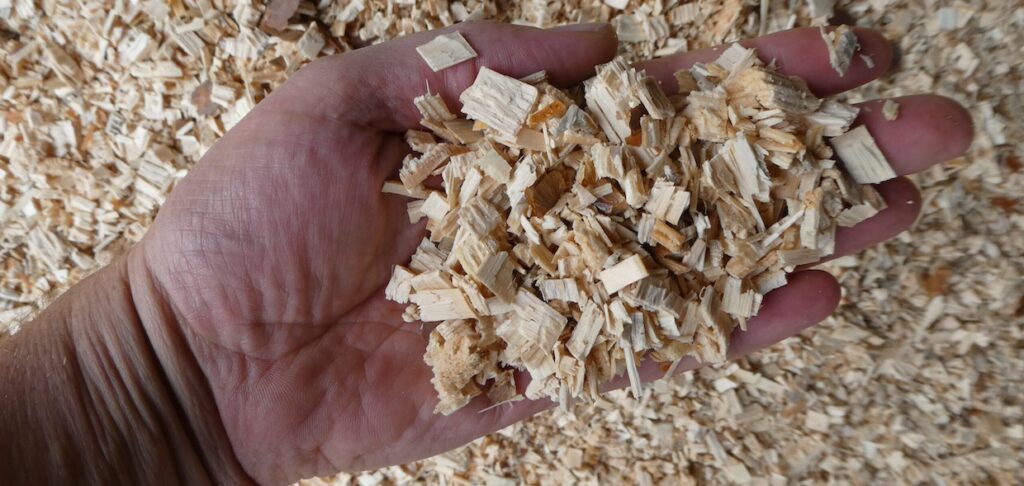
These fuels are often among the lowest-cost heating options available.
If you have access to a reliable supply—or produce them as a by-product of your own operation—they can dramatically reduce heating costs.
However, these savings only pay off if the boiler is designed to handle the fuel reliably.
That generally requires a more robust and more sophisticated heating system. Look for simple tell tale features such as the overall weight of the boiler.
When looking more closely, examine things like:
- the feed system and how robust it is
- how the boiler cleans itself
- how is the ash handled and will it be able to deal with foreign materials and clinkers
For a detailed look in to our boilers and the features that make them the most robust on the market check out: https://www.heizomat.ca/built-to-last-a-lifetime/
Other Biomass Materials
Many customers ask about burning landscaping waste, demolition wood, horse bedding mixed with manure, pallet waste, or other organic materials.
Our advice is always the same:
Not everything that is organic should be considered a biomass fuel.
Before selecting a boiler, ask:
- Is the material clean?
- Is it dry?
- Does it contain chemicals, preservatives, or contaminants?
- Will burning it damage the boiler?
- Has the boiler manufacturer successfully burned this fuel before?
You can find a more in-depth article on Biomass Fuels here
The answers to these questions are often far more important than the type of boiler you purchase. Having said that, if you do choose to go with a more complicated fuel be sure to take extra care to research your boiler supplier and the support you can expect to receive. Pro-active monitoring, unlimited technical support and an easy to reach, friendly and knowledgeable team will be key to a positive experience.
Is a Woodchip Boiler Right for You?
Woodchip boilers make the most sense for businesses with:
- Large annual heating demands
- Access to affordable woodchips or wood waste
- Long-term plans to reduce fuel costs
- The ability to justify a higher initial investment through operating savings
For smaller buildings or facilities with relatively low annual heating costs, a pellet boiler—or even another heating technology altogether—may provide a better return on investment.
At Heizomat, we’ve occasionally advised prospective customers not to purchase one of our systems because their heating demand wasn’t large enough to justify the investment or because the fuel they intended to burn wasn’t suitable.
Sometimes the best advice is telling someone they’re better off with a different solution.
Final Thoughts
If you’re trying to decide between a woodchip boiler and a biomass boiler, remember this:
A woodchip boiler is a biomass boiler.
The real question isn’t what the boiler is called.
The real question is whether the boiler you are considering has been engineered to burn your fuel cleanly, efficiently, and reliably.
The more complex or variable your fuel is, the more important the quality of the boiler becomes.
Do your research. Ask to see real customer installations. Talk to owners burning the same fuel you plan to use. And make sure the boiler manufacturer can demonstrate that their system has been proven with fuels like yours.
Choosing the right biomass boiler isn’t simply about finding a system that burns wood.
It’s about finding one that can burn your fuel day after day, year after year, with the reliability your business depends on.