
The Main Biomass Fuels in Real-World Use
Biomass boilers are designed to run on a range of organic fuels, but the reality is that the “best” fuel depends less on a single perfect option and more on matching the fuel to the boiler system you choose, your site, and the operational plan.
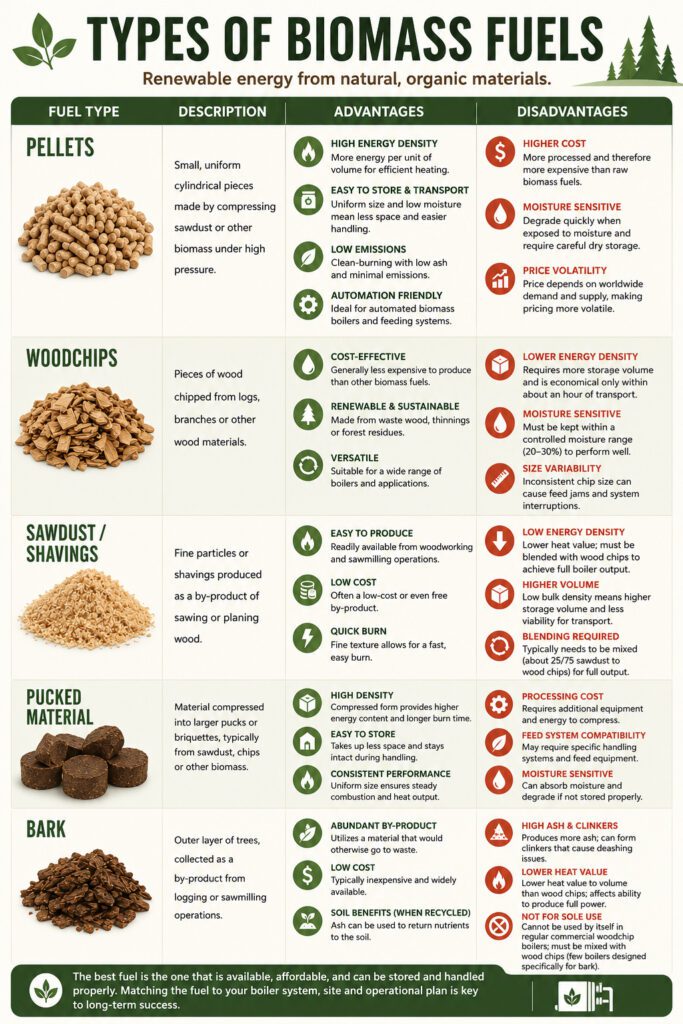
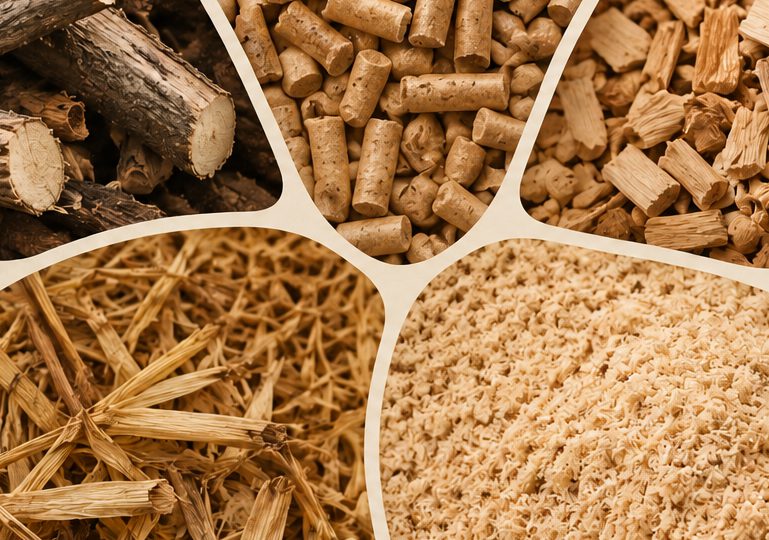
In practice, biomass fuels include wood chips, pellets, sawdust, shavings, pucked materials, and certain agricultural residues. Each has strengths and limitations, and each behaves differently in terms of moisture, energy content, storage, and handling.
Some modern biomass boilers are far more flexible than most people expect. They are built to handle variation in fuel types, but only when that fuel is understood and properly managed.
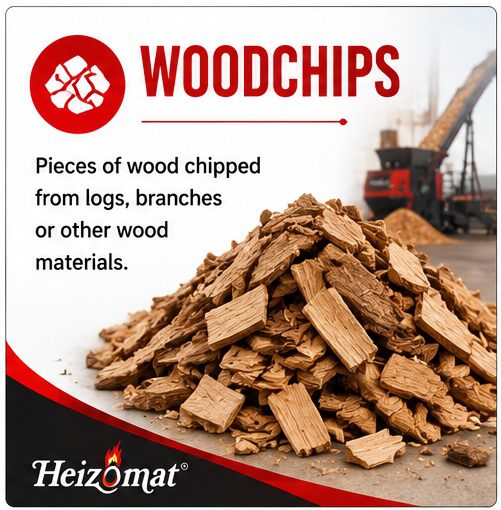
Wood Chips
Wood chips are typically the most recommended fuel in North America due to their availability and cost effectiveness. When sourced and handled correctly, they provide a strong balance of energy output and affordability.
They are:
- Widely available in many regions
- Relatively low cost compared to processed fuels
- Easy to produce from waste wood streams
- Effective when dried and screened properly
However, they require more storage volume than denser fuels and must be kept within a controlled moisture and size range to perform well.
Sawdust and Shavings
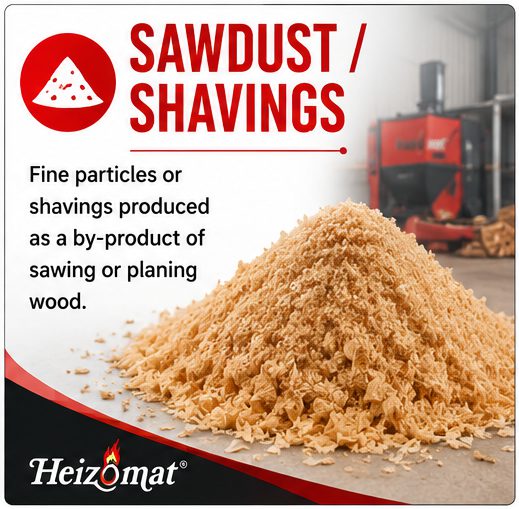
Sawdust and shavings can be excellent fuels, but they come with limitations:
- Lower bulk density means higher storage volume requirements and less viability for transport
- Will require blending with wood chips when requiring full boiler power as the low heat value will not be enough to get the produce the full output of the boiler.
A common working ratio in practice is around 25/75 sawdust to wood chips for full output conditions, with higher ratios possible during lower demand periods.
Pellets
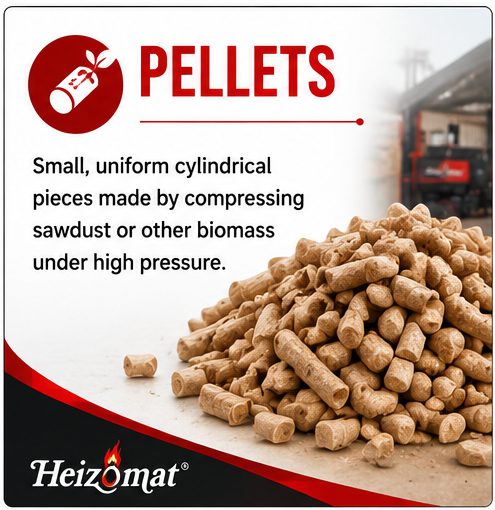
Pellets can be one of the most convenient fuels to use. They are:
- Easy to feed and handle
- Consistent in size and energy content
- Compact for storage
- Suitable for longer transport distances
The downside is cost. Pellets are more processed and therefore more expensive than raw biomass fuels. The price depends on worldwide demand and supply making their pricing more volatile than wood chips. They also require careful dry storage because they degrade quickly when exposed to moisture.
Pucked Agricultural and Biomass Fuels
Pucked fuels (mechanically compressed biomass) are a practical way to improve handling of lower-density materials like seed hulls, straw or sawdust.
They:
- Improve transport efficiency
- Increase energy density
- Allow otherwise difficult materials to be used in chip-style systems
When planning to use agricultural fuels, attention should be paid to potential chemical residues such as fertilizers or sprays, which may affect boiler components over time.

Bark
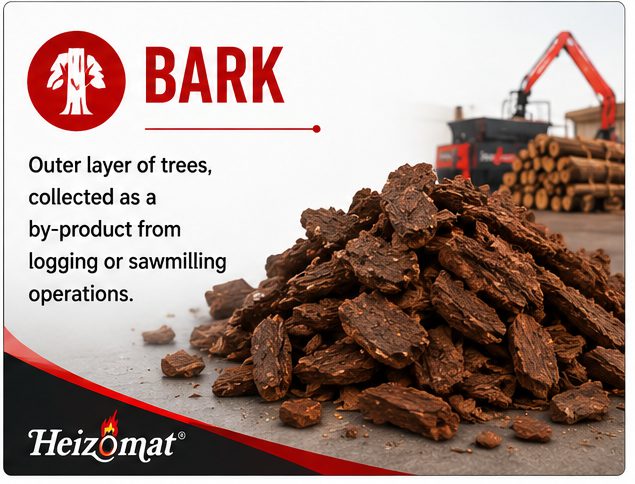
We are often asked if bark can be a viable fuel source. The short answer is yes.
Bark does have its drawbacks though:
- It produces more ash and when a lot of bark is present in the fuel, bark can cause the ashes to turn into rocks or ‘clinkers’ in the boiler causing issues with deashing
- It has a lower heat value to volume than woodchips and will affect the boilers’ ability to produce full power during high heat demand.
- Bark cannot be used by itself in regular commercial woodchip boilers; it needs to be mixed with woodchip. Only a few of the huge industrial biomass boilers are made specifically for burning bark.
What Actually Matters More Than Fuel Type
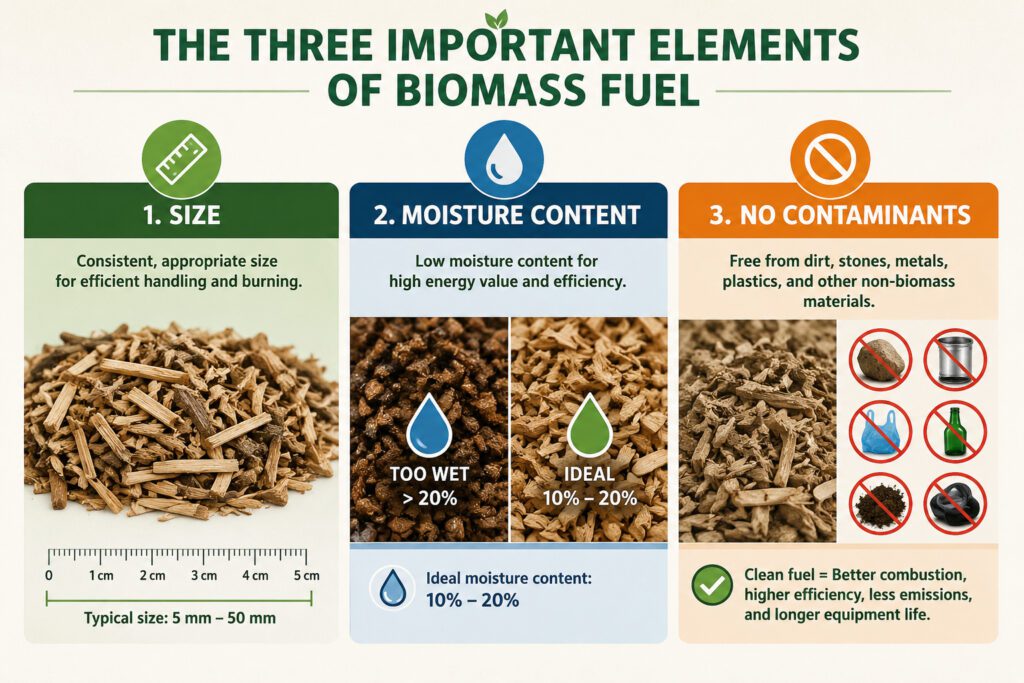
Across real installations, the biggest performance factors are not the species of wood or whether bark is present. The critical variables are:
Fuel Size and Consistency
Fuel must match the boiler’s feed system. A common target is around 1 1/4″ average chip size, though this depends on the equipment.
Oversized pieces are one of the most common causes of feed jams and system interruptions. Doing your research and talking to your biomass boiler supplier about the size of fuel they can handle is an important step in a successful boiler project.
Moisture Content
Fuel should generally sit in the 20–30% moisture range for reliable performance. When moisture climbs too high, efficiency drops quickly and operational problems begin to appear. It also increases the cost of transportation, water is heavy!
Wet fuel effectively forces the boiler to spend energy steaming out the water before producing usable heat, which reduces output and increases maintenance due to highly dangerous creosote buildup.
Cleanliness of Fuel
Foreign material such as:
* Stones * Plastic * Dirt * Metal
can cause serious mechanical issues and lead to feed system damage or downtime. The degree to which your prospective boiler can handle these materials is worth investigating up front.
Real-World Lessons from Biomass Projects
Sawmill Waste wood System
One sawmill in Ontario learned quickly that fuel storage is just as important as fuel selection. Even though their waste wood was technically “dry”, rain and snow infiltration due to poor storage, raised moisture levels and caused creosote buildup inside the boiler.
This led to:
- Increased maintenance on sensors
- Manual cleaning of heat exchange surfaces
- Reduced boiler output
- Increased risk of chimney fires
Once fuel was properly stored under cover and protected from weather, performance improved immediately and maintenance demands dropped significantly.
Construction Waste Grinding Issue
Another customer sourced ground construction waste, but poor grinder control led to a large amount of long, stringy material over 5 inches in length entering the fuel stream.
This caused:
- Frequent feed jams
- Blocked rotary valves
- Loss of automation benefits
- Increased manual intervention
Once the supplier improved screening and size control, the system returned to fully automated operation.
Pellet Storage Issue in the Prairies
A pellet user stored excess fuel from one heating season into the next. While the pellets looked acceptable visually, they had degraded internally due to moisture absorption.
The result was:
- Pellet breakdown into dust in the conveyor augers
- Time consuming, feed system blockages
- Poor combustion
This highlighted how sensitive pellets are to long-term storage conditions.
Fuel Availability and Logistics Matter More Than People Expect
One of the most overlooked aspects of biomass systems is logistics.
Fuel energy density determines transport distance viability:
- Pellets and pucked fuels can be transported long distances
- Wood chips are typically economical within about an hour of transport
- Sawdust and shavings require even closer sourcing or densification
Because of this, the “best fuel” is often the one that can be reliably sourced within a reasonable distance and delivered consistently over time.
Many successful projects begin by securing fuel supply during the planning stage of a new biomass boiler system. Discussing the planned fuel source with various boiler suppliers you are considering is a great way to ensure a successful project.
Creating Your Own Wood Chip Fuel
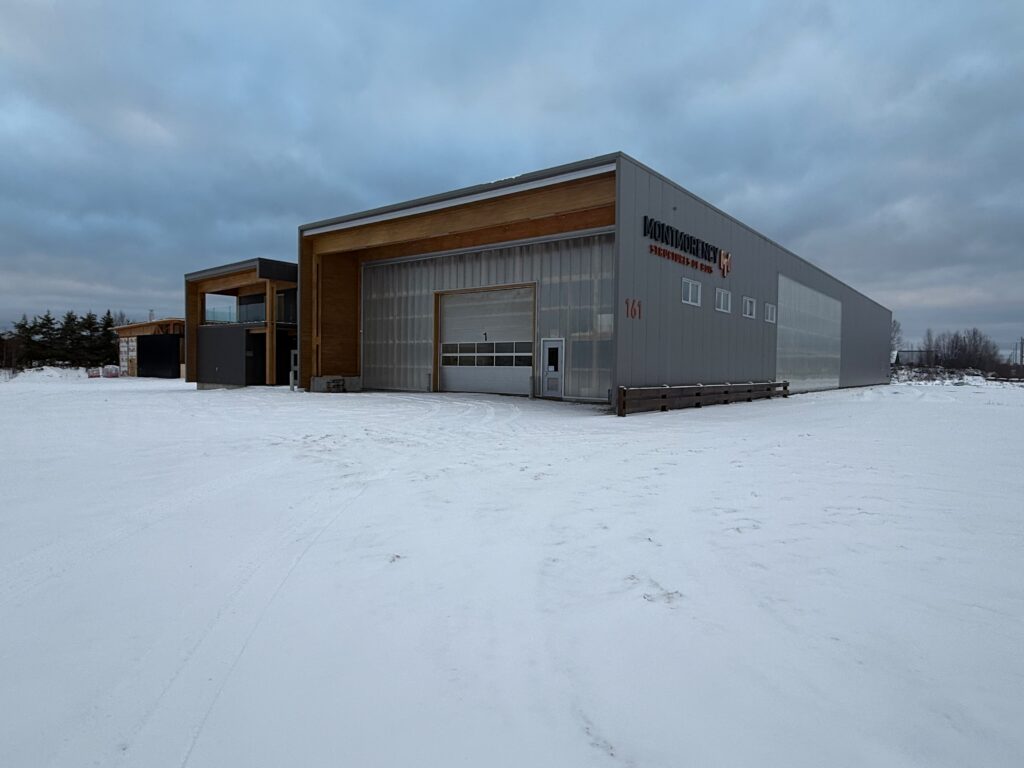
For many operations, one of the most practical and cost-effective approaches is producing fuel on-site from existing waste wood streams. When done properly, this can significantly reduce fuel costs while improving control over fuel quality and supply reliability. Charpentes Montmorency is an example of a manufacturer who saved significant annual heating costs and waste wood disposal costs by switching to a biomass boiler and chipper. Read about their case study here
Wood chips are an ideal fuel to produce in-house. They can be manufactured from clean waste wood materials such as offcuts, pallets, forestry residue, or sawmill byproducts. This not only creates a usable fuel but also turns a disposal challenge into a valuable energy resource.
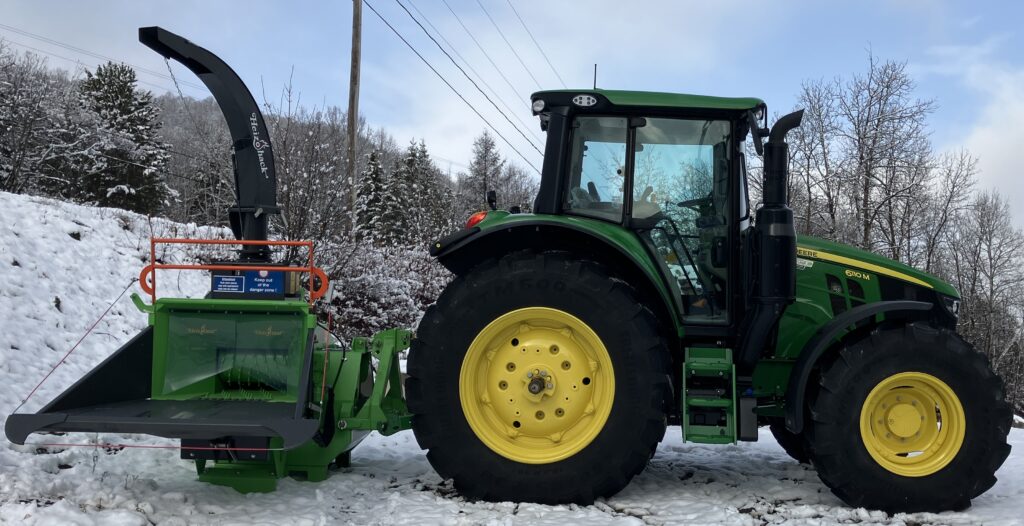
Modern biomass chippers are available in a wide range of configurations to suit different site conditions and production volumes, including:
- PTO-driven units for tractor-based operations
- Electric chippers for fixed, stationary applications
- Diesel-powered machines for mobile or higher-output needs
- Truck-mounted systems for large-scale or contract processing
Screened chippers are particularly valuable because they include internal sizing screens that produce a consistent, standardized chip. This consistency is critical for boiler performance, helping ensure smooth feeding, predictable combustion, and reduced maintenance issues.
Fuel can also be produced using non-screened chippers or grinders, which are often more common in construction or land-clearing environments. However, these systems require closer management. Without screening, chip size distribution can vary significantly, increasing the risk of oversized pieces, fines, or stringy material entering the fuel stream.
Because of this, it is essential to monitor fuel quality closely when using non-screened equipment. Regular checks should be made to confirm that chip size, consistency, and cleanliness meet the boiler manufacturer’s specifications. If necessary, secondary screening or processing may be required to bring the fuel into an acceptable range.
Producing your own fuel can be a major advantage, but like all aspects of biomass systems, success comes down to control and consistency. When the process is properly managed, on-site fuel production can deliver both economic and operational benefits over the long term.
Storage and Handling Make or Break Performance
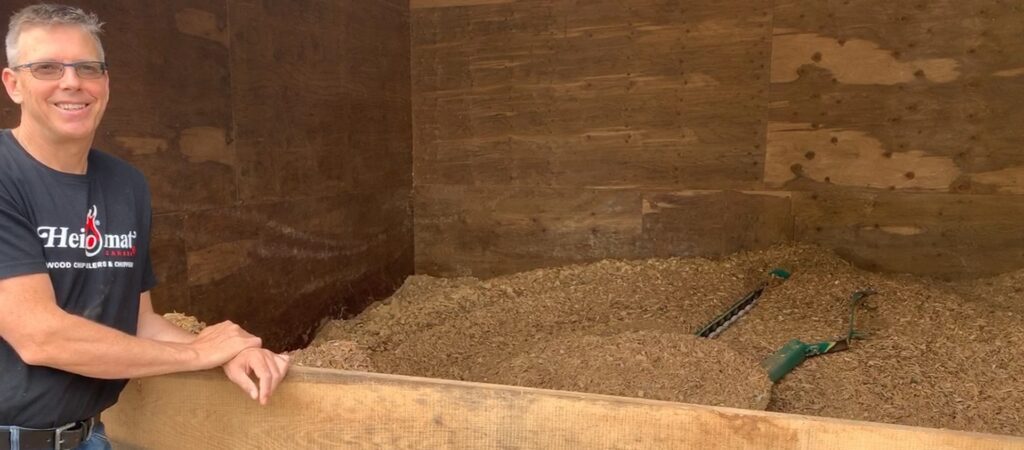
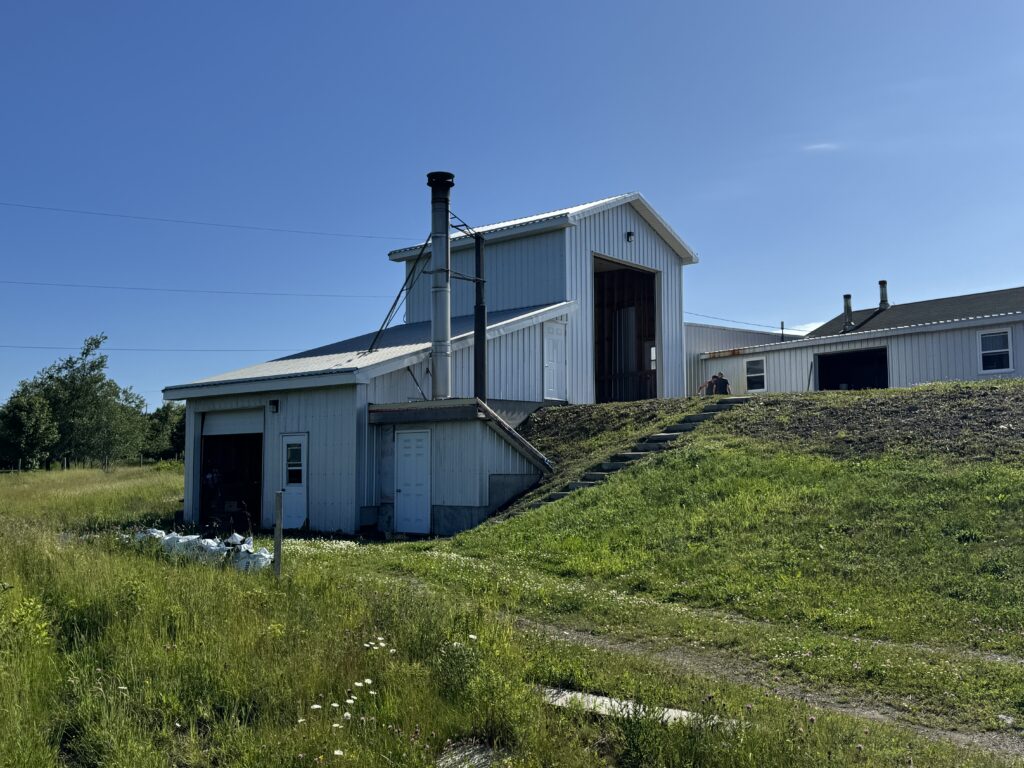
Fuel storage is not an afterthought. It is part of the system design.
Key considerations include:
- Protection from the weather
- Ventilation for drying
- Space requirements for seasonal demand
- Moisture control
- Contamination prevention
For example, properly ventilated wood chip storage can naturally dry green fuel over a few summer months, bringing it into an optimal burn range.
Pellets, on the other hand, require sealed, purpose-built storage because they degrade quickly when exposed to outside air and moisture.
Common Mistakes with Biomass Fuels
Some of the most common issues include:
- Assuming landscape chips are suitable fuel (often inconsistent in size and moisture)
- Burning green wood, leading to poor efficiency and creosote formation
- Ignoring fuel size consistency and feed system compatibility
- Overlooking moisture content during sourcing decisions
- Underestimating storage requirements
Landscape chips in particular, often contain leaves and green material, making them difficult to dry and prone to overheating or composting during storage.
Choosing the Right Fuel Is Really About Planning
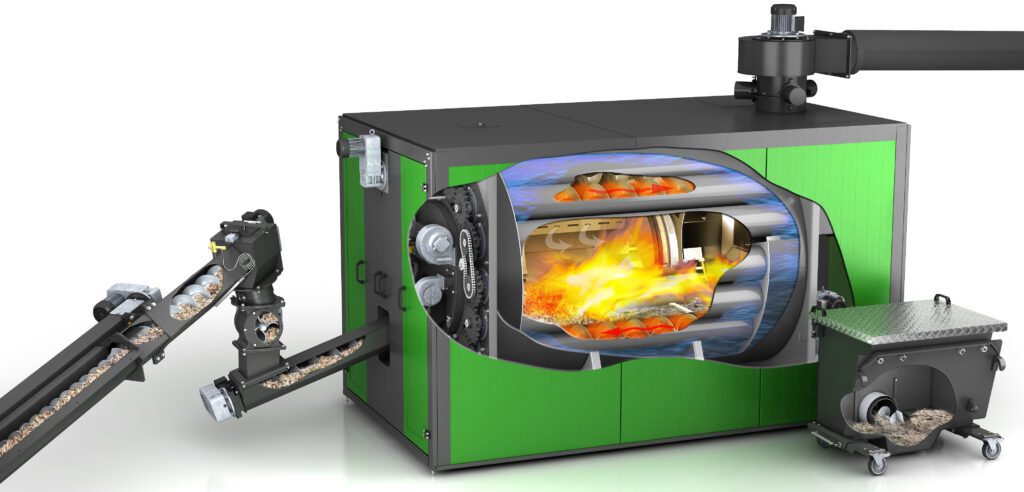
Modern biomass boilers are highly capable systems. They can burn a wide range of fuels efficiently, clean themselves, and operate with a high degree of automation.
But that only works when the fuel is properly understood.
The key planning questions are:
- Are you planning to make your own fuel?
- If not, what fuels are available locally?
- What is the cost and reliability of supply?
- What storage space is available?
- What fuel handling equipment is on site?
- What moisture, size, and energy content can realistically be maintained?
The most successful biomass projects are not the ones chasing a perfect fuel. They are the ones that build a clear, practical fuel handling plan from the start.
Final Thoughts
The biggest lesson from real-world biomass installations is simple: success is driven by planning, not perfection.
For an in-depth video on biomass heating tips and things to watch out for: Biomass Boiler Tour
If the fuel is understood, sourced properly, stored correctly, and matched to the system, biomass boilers can run with high efficiency and minimal intervention. If not, even a “good” fuel can create unnecessary complexity.
A well-designed fuel plan turns biomass heating into a reliable, automated, and cost-effective energy solution.
If you are interested in how Biomass Boilers compare against Propane Boilers, check out this article.